

住所:
江蘇省常州市新北区西夏樹工業団地陽城湖路233-3号




はじめに:
精密機械加工の世界では、強度、表面仕上げ、全体的な費用対効果の面で最高の結果を達成するには、ねじを作成するための適切な方法を選択することが重要です。ねじ山を作成するために使用される最も一般的な方法には、ねじ切りとタッピングがあります。どちらの方法も効果的ではありますが、それぞれに利点、制限、および最適な使用シナリオがあります。
この記事では、ねじのフライス加工とタッピングの複雑さを深く掘り下げ、一方の方法が他方の方法よりもどのような場合に好ましいかを検討し、材料特性、ねじのサイズ、穴の深さ、生産量などの要因を分析します。
1. ねじ切り加工とタッピングの基本を理解する:
ねじ切り加工:
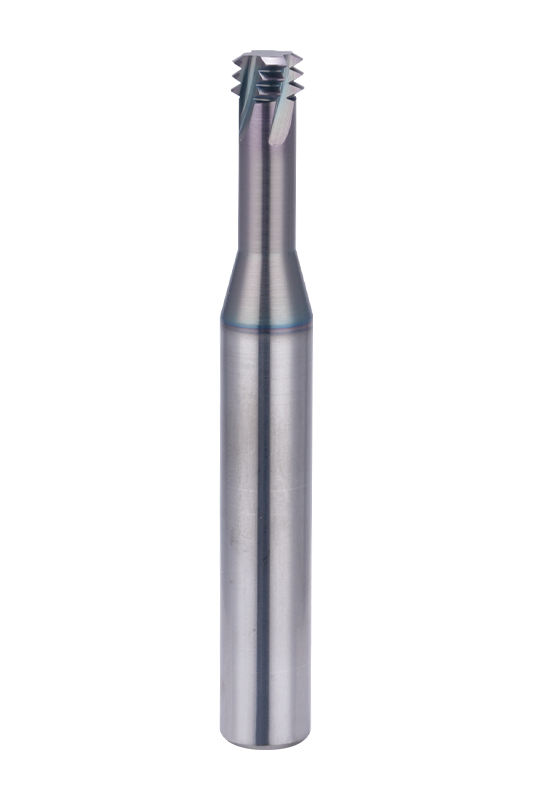
ねじ切りフライス加工では、回転カッターを使用して穴にねじ山を作成します。カッターは表面に沿って螺旋状の経路を移動し、目的のねじ山プロファイルを形成します。このプロセスは CNC フライス盤を使用して実行され、このツールには通常、同時に材料と噛み合う複数の刃先が付いています。
タッピング:
一方、タッピングは、タッピング工具 (切削ねじを備えたドリルビットに似ています) を使用して、穴の中で工具を回転させて雌ねじを作成するプロセスです。タッピングは通常、CNC 旋盤または立形マシニング センターを使用して行われます。
2. 主な違い:
2.1.工具の要件:
ねじ切り加工 : 右ねじと左ねじの両方を作成できる、複数の切れ刃を備えた専用のフライスが必要です。
タッピング: Uses a single-point tool that cuts threads directly into the material, and there are different taps for different materials and thread forms.
2.2.マシンのセットアップと多用途性:
ねじ切り加工: Offers more versatility as it can be used to create a variety of threads, including larger sizes or custom profiles, on both blind and through holes. It can also be done on a CNC mill, which is more versatile in terms of general machining operations.
タッピング: Typically requires a dedicated tapping cycle, making it somewhat less versatile in terms of setup and customization compared to thread milling.
2.3.ねじ山の精度:
ねじ切り加工: Typically provides a higher level of accuracy and surface finish because the cutter does not have to engage the material at the same point as a tapping tool. It's also easier to adjust parameters for thread size during the milling process.
タッピング: Tapping may experience slight inaccuracies due to tool wear, especially in hard materials. It can also have issues like tool breakage in deeper holes or irregular threads in challenging materials.
3. 重要な考慮事項:
3.1.硬質材料 (ステンレス鋼、チタンなど):
ねじ切り加工: Ideal for hard materials as it reduces the risk of tool breakage. Thread milling also doesn’t generate as much heat as tapping, which helps maintain tool life and quality.
タッピング: In hard materials, tapping can be slower and more prone to tool breakage. Also, tapping deep holes in hard materials is generally not recommended because of potential tool deflection and failure.
3.2.柔らかい素材 (アルミニウム、真鍮など):
ねじ切り加工: Works well for soft materials but might be slower than tapping due to the multi-cutting-edge nature of the operation.
タッピング: Faster in soft materials, as it’s a more direct process with minimal setup required.
4. 決定に影響を与える要因:
4.1.ネジのサイズと深さ:
ねじ切り加工: Works well for larger threads (above 1/2” in diameter) and deep threads. It’s especially effective for creating internal threads that are deeper than the length of a typical tap.
タッピング: Best suited for shallow threads, generally under 1” in diameter. The deeper the thread, the more likely tapping will cause issues like tap breakage or thread deformation.
4.2.サイクルタイムと生産量:
ねじ切り加工: The cycle time is generally longer due to the process’s complexity, and while it can be optimized with multi-tooth cutters, it’s not as fast as tapping in many cases. However, in low-volume or custom runs, it may be the better option due to its versatility.
タッピング: Tapping tends to be faster in high-volume production when making threads in shallow holes with a small diameter. The faster tool engagement allows quicker threading, especially for industries requiring large quantities of parts.
4.3.切りくず制御:
ねじ切り加工: Thread milling produces continuous, manageable chips, reducing the risk of chip buildup and allowing for better heat dissipation.
タッピング: Can produce short, broken chips, which may become trapped in the hole and lead to issues like chip packing or tool clogging. Special care must be taken to ensure chip evacuation, especially in deeper holes.
5. スレッドミリングの利点:
多用途性: ねじ切り加工では、非標準ねじや特大ねじなど、さまざまなねじ形状を作成できます。
精度: 特に大きいねじや深いねじの場合、精度が高くなります。
工具寿命: 切削動作の攻撃性が低いため、工具の寿命が長くなります。
事前に穴を開ける必要はありません: ねじ切り加工は穴のサイズに依存しないため、穴のサイズの柔軟性が高まります。
マルチタスク機能: CNC フライス盤は、フェーシング、穴あけ、輪郭フライス加工などの他の作業にも使用できるため、効率が向上します。
6. タッピングの利点:
速度: タッピングは、特に柔らかい材料の浅いねじの場合、高速なプロセスです。
シンプルさ: セットアップと工具は比較的シンプルで、ねじ切り加工に比べてコスト効率が高くなります。
工具コストの削減: タッピング工具は一般にスレッドミルよりも安価であるため、大量の浅いねじの用途ではより経済的です。
一貫性: 大量生産では、タッピングのねじ山形成がより一貫する傾向があり、自動化が容易です。
7. スレッドミリングに最適な用途:
大きなねじサイズ: ねじ切り加工は、大きなねじ (1/2 インチ以上) または高精度の用途に最適です。
深い穴または止まり穴: 深い穴を処理する場合、ねじ切りフライス加工を使用すると、工具のたわみとねじ切りの精度をより適切に制御できます。
難削材の加工: 高張力鋼、ステンレス鋼、チタンなどの難削材の加工には、スレッド フライス加工がよく使用されます。
複雑なねじ形状: ねじ切り加工では、非標準またはカスタムのねじプロファイルを簡単に作成できるため、ニッチな用途に最適です。
8. タッピングに最適なアプリケーション:
小さく浅いねじ山: タッピングは、軟質から中肉の材料の小さく浅いねじ山を作るのに効果的です。
大量生産: 大量のねじ部品を迅速に生産する必要がある場合、多くの場合、タッピングの方が経済的な選択肢となります。
シンプルなねじの要件: 単純な標準ねじの場合、タッピングは効率的でコスト効率が高くなります。
結論:
結論として、ねじ切り加工とタッピングにはそれぞれ利点と制限があります。 2 つの方法のどちらを選択するかは、材料の硬度、ねじのサイズ、穴の深さ、生産量、ねじの品質要件などのいくつかの要因によって決まります。
より大きく、より深く、高精度のねじを作成するには、多くの場合、ねじ切り加工が優れた選択肢となります。
柔らかい材料のより小さく浅いねじの場合、タッピングは依然として信頼性が高く、より高速なオプションです。

私たちは エンドミルメーカー そして エンドミルビット工場。当社の足跡は世界中にあり、世界中のお客様に高品質の製品とサービスを提供しています。


江蘇省常州市新北区西夏樹工業団地陽城湖路233-3号


+86-18068566610


sales@magotan-tools.com
+86-18068566610
